The work I’ve led for Avon to tackle violence against women and girls is a good example of how including and listening to frontline and grassroots voices improves the effectiveness of programmes. Over 15 years ago we launched Avon’s ‘speak out against gender-based violence’ programme, to raise awareness and support frontline services. The programme now runs in over 30 countries, has raised and donated over $20m and helped over 15m women and girls. This wouldn’t have been possible without engagement with charities, communities and survivors on the ground. Violence against women and girls is a complex, ugly issue, rooted in inequality and which manifests in a myriad of evolving ways. To make sure Avon really understood the needs and represented the interests of its communities it was vital that we rooted our communications and campaigning in real-world insights. To that end we created a network of charity partners providing front-line services, and have been able to take their inputs, reflect their priorities and thoughts in our communications content, and shape meaningful campaigns together and direct Avon’s funding accordingly.
One example of this is The Reverse Make-Up Tutorial, an award-winning short film capturing the horror of coercive control, and sign-posting help and support. We were able to develop this film with active input from charities in multiple countries to ensure it had resonance whilst respectfully navigating the nuances of this challenging issue. This film’s effectiveness is thanks to the collaboration with those impacted by and dealing with this issue in multiple countries.
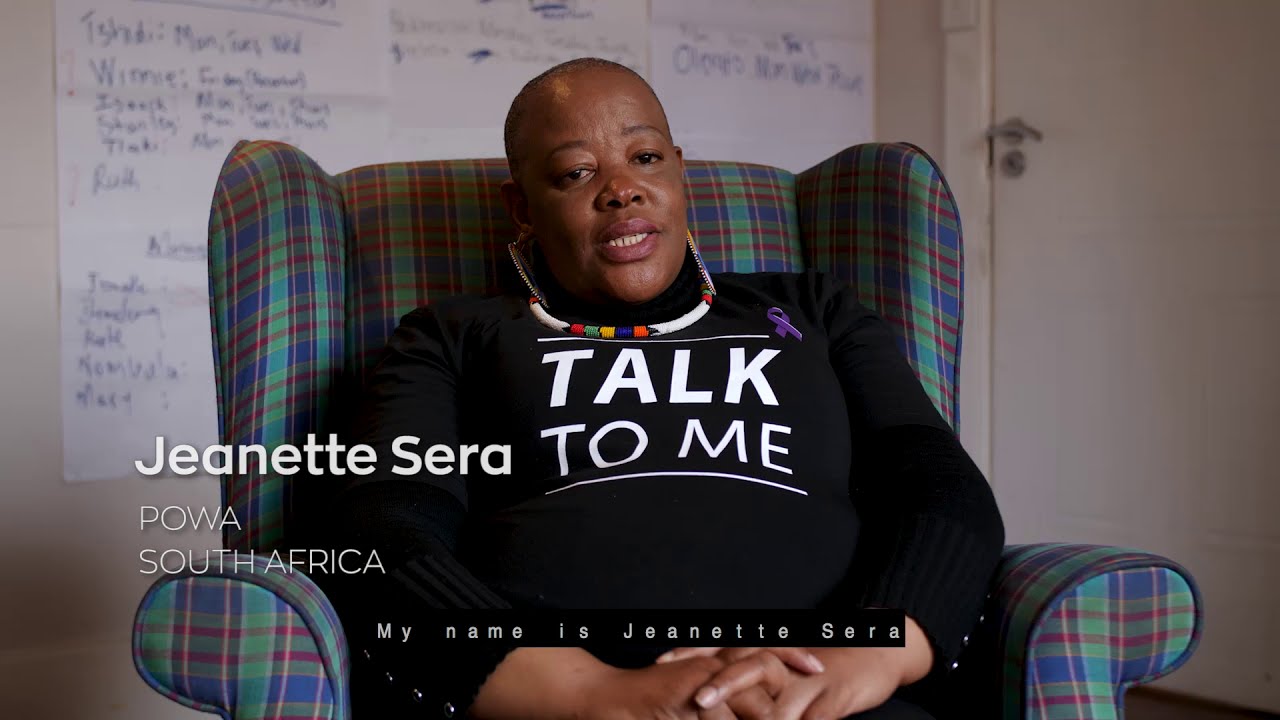
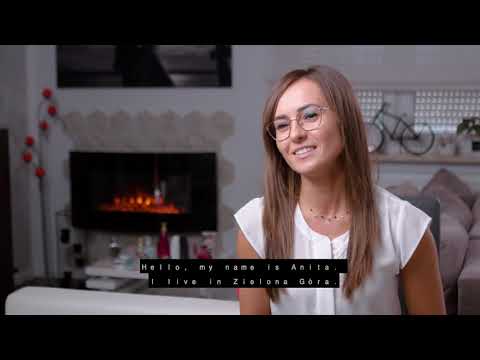
Another simple example is a series of films we created with survivors of domestic violence and local NGOs in several countries. This cocreation produced effective communications pieces, and amplified the voices of those impacted with and dealing with gender-based violence, thereby helping to educate about the importance of the work and the issues they face.