Its great to see so many people speaking about the importance of sustainable sourcing within supply chains. Whilst there is a huge journey ahead in achieving sustainable livelihoods and living wages for every actors in the supply chain, as the world’s must trusted and recognised ethical label, Fairtrade are extremely well placed in supporting ambitious sustainability strategies - small changes within your supply chains can have a huge impact.
I so agree with this statement and it is a critical way in order to onboard your business colleagues to support action and to join together to take the initiative that little bit further.
Two tools are needed for moving into a more humane and sustainable earth:
- For each of us to have the opportunity to train the abilities needed to engage creatively and gentle strength with change, diversity and differences.
- From the ground up, build an ecosystem of institutions to support businesses and sectors working at eye-level, where all NGOs, private and public sector are respecting the SDGs. The UN alone can’t.
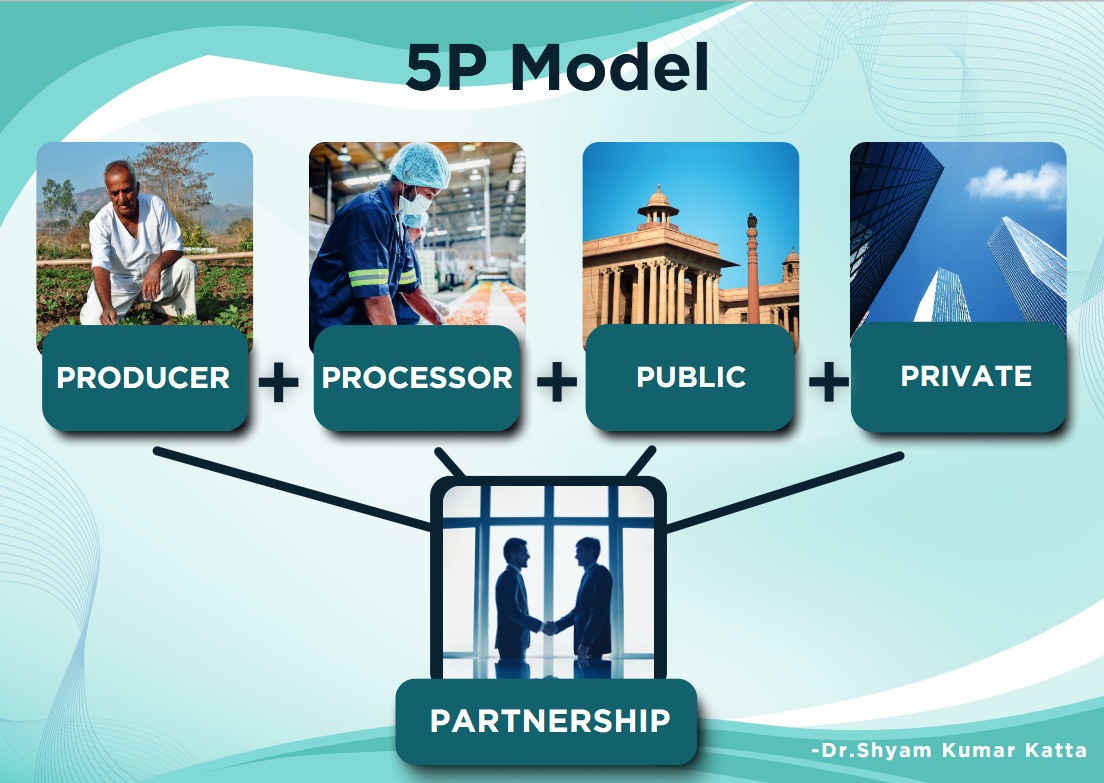
In building multiple PPPs, I always did two exercises (1) Drivers of Motivation - to understand What’s In It For Me/You/Them/Us across the stakeholder groups and (2) Drivers of Success - What I/We BRING for Success and what I/We NEED for Success.
In doing so it helped establish clear priorities and helped discover sources of capabilities and solution building skills.
1 Like
I dare to add that CSR’s as nice as they look, have been, are, and will be but a drop on a hot stone: history talks volume.
Such an important insight! Fear and self-censorship, while understandable, will be insidious. The US social impact community will benefit from connecting with and being inspired by courageous, innovative entrepreneurs/leaders that push for impact in difficult political environments around the world.
1 Like
- What are the most significant challenges the social impact community will likely face in 2025, and how could we approach them?
I think the biggest challenges that we, social impact practitioners, will face will be a limitation of tools and resources for our effort due to backlash to DEI, sustainability, and ESG. Whatever capacities you’re in, we will see the dramatic increase of the need for social impact out of social unrest in next four year. Yet, there are restrictions for resources allocated us and we will feel despair, not to be able to help alleviate the issues. Only way that we address this gap will be stepping out of the silos that you’re currently in and find the collaborators toward clearly defined goals.
Agreed. Just posted my thoughts to Q2, but find the collaborators out of your silos/ capacities and work towards clearly defined & shared goals!
Good point, and good advice! This fear and self-censorship is surely an issue that entrepreneurs in other countries understand well. Fear of offending the powerful is certainly not new in the U.S., but it feels more urgent now, as the country’s biggest power brokers grow more unpredictable, and more likely to wield their influence deliberately as a tool to advance agendas that are often hostile to many of the social impact sector’s top priorities.
Yes, preparation is key for a VUCA world. May I suggest Foresight tools for the future scenario planning. Some courses, and also other free webinars and templates here https://tfsx.com/
Have you checked out the Nobel Prize winning model from Elinor Ostrom around collaboration that includes natural resources? And more collaboration workshops, research and resources at this site Prosocial.World https://www.prosocial.world/
What tools are you seeking to accomplish what specific outcomes? We can then map people who are interested in helping and also tools that are free.
2 Likes
It was great to attend the event yesterday. I’m Jean Oberlin C. Hutahaean, Chairman of Tunas Aksara Foundation located in Indonesia.
You may reach me at jean@sayasukamembaca.org
Our foundation: www.sayasukamembaca.org
Saya Suka Membaca (SSM) - or “I Love Reading” - is a literacy program run by the charity Yayasan Tunas Aksara. We work for a future where all of Indonesia’s children can have the chance to learn to read, and to love reading.
Improving levels of literacy among Indonesian schoolchildren is fundamental to improving educational quality and equity in Indonesia. Children who learn to read with fluency and understanding at an early stage – and who love learning – will benefit from compounding returns throughout their school years, and for the rest of their lives.
Hope we can collaborate for the social impact - Together for 2025
This initiative really reflects the kind of forward-thinking collaboration businesses need in 2025. At Peterson Acquisitions, we’ve seen how aligning business strategies with community-focused goals creates long-term value—not just financially but socially too. Prioritizing real impact over surface-level efforts will be key this year. Glad to see such a strong community pushing this dialogue.